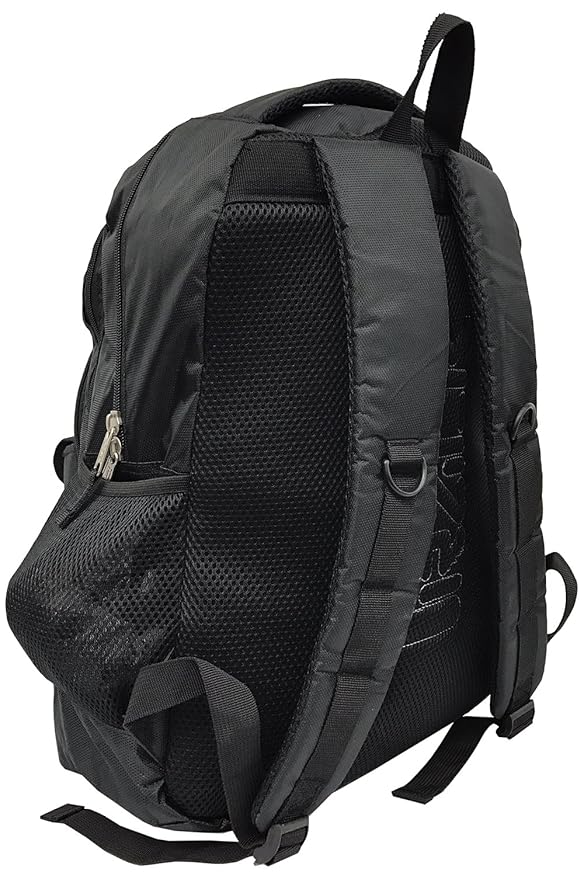
We have a semi bringing about 600 backpacks to the stake!
We will email or call you when they arrive!.
Here's the plan for completing our 72 Hr. Kits this year. There are many other good lists but this is what we are using. Underlined will be group purchases. See the bottom for links to other recommended lists.
72 Hr. Kit on a Budget – In a
Glance**
|
·
JAN. Week 1:
Obtain a suitable 72-hour-kit
container; one for each family member.*
Week
2: Add items related to individual medical needs. Have at least a 7-day supply.*
Week
3: Add flashlight with extra batteries to kit.
Also, place a flashlight next to bed & other areas*
Week
4: Add 3 gallons of water *
Week
5: Add $10 cash (the smaller bills
best)
~~~
·
FEB. Week 6: Add a manual can
opener
Week
7: Add 2 cans of tuna fish/canned meat
Week
8: Add $10 cash small bills
Week
9: Add food items* non-perishable, easy-to-prep
Week
10: Add basic first-aid kit.
~~~
MAR. Week 11: Add 4 rolls of toilet paper &
$10 cash (small bills)
Week
12: Add 1 bar of soap. Daylight Savings: Check
Your smoke detector batteries!
Week
13: Add stress relief factors keep minds BUSY!* Week 14: Add pocket/utility
knife.
~~~
·
APR. Week 15:
Add $10 cash (small bills)
Week 16: Add 1 container of baby wipes.
Week 17: Add 1 change of clothing.
Week 18: Add 1 roll large paper towels & replace food that
will expire!
Week 19: Add 1 emergency blanket
~~~
·
MAY Week 20:
Add $10 cash (small bills).
Week 21: Add one container of peanut butter (or other protein)
to each kit.
Week 22: Add hard candy (Jolly Ranchers, Lifesavers) Week 23: Add 1 box of waterproof matches & 1 lighter
~~~
·
JUNE Week 24: Add Ziploc bags (variety of sizes) to each kit.
Week 25: Add $10 cash (small bills)
Week 26: Check the batteries in your
smoke detector.
Practice escape routes with your family and have an emergency plan on where to meet!
Week 27: Add 1 box of crackers (Zip Bag) and
1 can (48 oz) of non-carbonated fruit juice.
~~~
·
JULY Week 28:
Add plastic utensils, paper plates,
and a couple of paper cups. Put enough for 1 person for a couple of meals in a
large Ziploc bag.
Week 29 Add 1
lb. graham crackers
Week 30: Add $10 cash (small bills)
Week 31: Add a roll of duct tape
~~~
·
AUG.Week
32: Add disinfectant (betadine, bleach, sterile wipes, hand sanitizer)
Week 33: Add 1 can of fruit and 1 can of
vegetables*
Week 34: Add $10 cash (small bills)
Week 35: Add 1 pair of work gloves
~~~
·
SEPT. Week 36:
Add 1 lb. dried fruit
(date
for rotation).
Week 37: 1/2 lb. dried
milk & one zip-lock bag of cereal.
Week 38: Add $10 cash (small bills).
Week 39: Add battery-powered or
hand-crank radio (add extra batteries if it is
battery powered).
~~~
OCT
Week 40: Add $10 cash (small bills)
Check
smoke detectors & batteries. Replace food that will
expire!
Week 41 Feminine hygiene, baby & pet products.*
Week 42: Add toothbrush & 1 tube of toothpaste.
Week 43: Add a multi-purpose tool with scissors if poss.
~~~
·
NOV Week 44: Verify each family member’s immunizations are up to date (especially tetanus).
Week 45: Purchase additional cell phone chargers for cell phones in your home.
Week 46: Make copies of house keys and car keys to keep in kit!
Week 47: Add scissors & Emergency candle. A Liquid wax candle with a dome is safer!
~~~
·
DEC. Week 48: Add photocopies of personal
documents. Include such items as wills, insurance policies, birth
certificates, medication lists and other medical info, proof of address,
deed/lease to home, passports, marriage license, etc.) You may want to do this
earlier in the year when things are less hectic!
*Underlined items will be group purchases!
Weekly Notes of Clarification
*Wk. 1: Containers (backpack, duffel bag, garbage can with lid even a wagon).
*Wk.
2: Medical Have a list of medications.
Also
include items such as glasses, contacts, hearing aids (with extra
batteries), syringes, canes etc.
*Wk.
3 Flashlights Place an emergency flashlight in each
of
your children’s rooms and let them know where it
is. Get them a cheap one to play with!
*Wk. 4 Water (The Red Cross recommends 1 gallon per
person per day). The water would take up a lot of room in your pack, so you could keep some
water bottles in your pack (maybe
about a gallons worth) and keep the rest
in containers that can be carried in
your arms. Decide what will be best for your family.
Sometimes clean water is the most rare commodity
in emergencies and not only will it be used
for drinking, but also for cleaning. The Red Cross
also recommends having a 2 week water supply
in your home, just in case clean water is not available.
.
*Wk.
9 Non-perishable items (Bars:
Millenial, granola, oatmeal, trail
mix, beef jerky, canned ravioli, MRE’s
etc. Date for rotation. Add enough to
last you for at least 3 days more would
be better!
*Wk. 13 Stress Relief (paper, pencils, books, magazines, coloring books, playing cards, games, crossword puzzles,
Sudoku, etc).
*Wk.35 Fruit
& or veg (date for rotation). Make sure they
have the pull-tab on top for easy opening
*Wk. 41 .*Other
hygiene products. If you have a baby, add
diapers, bottles, formula, and baby food. If you have a pet, add pet supplies (collar, leash, ID, food, bowl, etc).
*Wk. 49 Documents. Send 1 copy of
each document to family
member/friend in separate location. Also add
a map of the area and an emergency
contact card (with local
phone numbers and phone numbers of
friends/family outside of the area) to each
72 hour kit. Another idea is to keep pictures of
family members in your kit in case you get separated
and need to ask if anyone has seen them.
Additional supplies to keep at home
or in your kit based on the types of disasters common to your area:
- Whistle
- N95 or surgical masks
- Rain
gear
- Towels
- Tools/supplies for securing your home
- Extra clothing,
hat and sturdy shoes
- Plastic
sheeting
- Household liquid
bleach
- Blankets or sleeping
bags
- Two-way
radios
- Hand
warmers
- Portable fuel
source
- Light
sticks (makes a great night light,
especially for children)
- Pair of flip
flops (in case you have to leave in such a hurry that you can’t grab
shoes)
Hopefully
you won’t have to use these 72 hour kits, but it’s always better to be prepared
(and I promise that it will help you sleep a little more soundly at night
knowing that you are just a little more ready for any emergency that might come
your way!). For more information, check
out the Red Cross’ website for great ideas on how to be ready for an emergency.
**This list was adapted from Six
Sisters Web Site:
~~~~~~~~~~~~~~~~~~~~~~~~~~~~~~~~~~~~~~~~~~~~~~~~~~~~~~~~~~~~~~~~~~~~~~~~~~~

No comments:
Post a Comment